
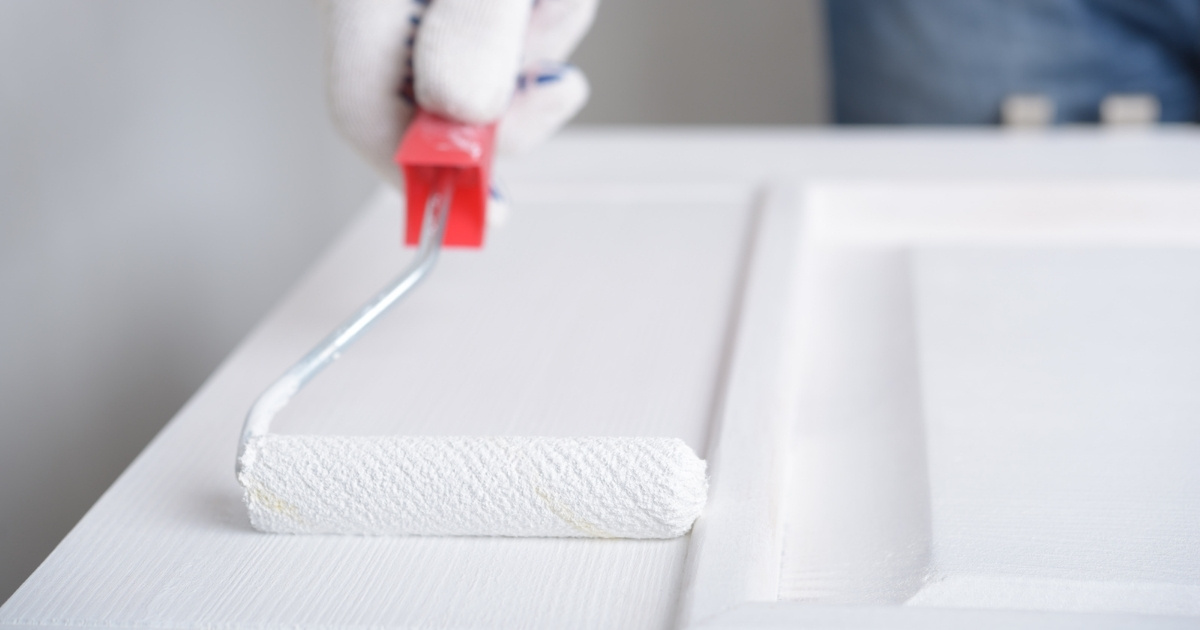
Choosing the best paint for interior doors can make a noticeable difference in both the appearance and longevity of your home. In South Florida—where humidity, heat, and daily wear all play a role—the right paint type and finish matter even more. At Tru Colors Contracting, we help homeowners across Broward County, Palm Beach County, Martin County, and the Treasure Coast select professional-grade paints that hold up beautifully over time.
In most cases, the best paint for interior doors is a latex or acrylic paint with a semi-gloss or high-gloss finish. These options offer durability, moisture resistance, and easy maintenance—ideal for Florida homes.
Below, we break down the four most common paint options for interior doors and explain when each works best.
1. Semi-Gloss Latex Paint
Semi-gloss latex paint is the most popular and widely recommended choice for interior doors. Latex paint retains flexibility after it dries, which is especially important in humid environments like South Florida. As moisture levels rise and fall, wood doors naturally expand and contract—and latex paint moves with them instead of cracking.
A semi-gloss finish adds subtle shine, helps doors stand out from walls painted in satin or eggshell, and makes routine cleaning much easier.
Pros:
- Easy to clean
- Moisture-resistant
- Flexible and less prone to cracking
- Ideal for busy households
Cons:
- Slightly more expensive than flat finishes
- Can highlight surface imperfections
Best for: Interior doors in kitchens, bathrooms, laundry rooms, and other high-traffic or moisture-prone areas.
2. High-Gloss Latex Paint
High-gloss latex paint offers the same flexibility benefits as semi-gloss latex but with a much shinier finish. This option provides enhanced durability and maximum cleanability, making it a great choice for doors that see constant use.
While some homeowners love the bold, polished look, others feel high-gloss can be too reflective—especially on older doors.
Pros:
- Maximum durability
- Extremely easy to clean
- Moisture-friendly
Cons:
- High sheen may not suit all styles
- Shows dents, scratches, and brush marks
- Higher material cost
Best for: High-traffic interior doors where durability and easy maintenance are top priorities.
3. Semi-Gloss Acrylic Paint
Acrylic paint is known for its superior durability and color retention. Compared to latex paint, acrylic holds up better against scuffs and UV exposure, making it a strong option for doors in bright, sun-filled spaces.
Most homeowners prefer a semi-gloss acrylic finish, which offers a balanced look—durable and washable without being overly shiny.
Pros:
- Highly durable
- UV-resistant (less fading)
- Easy to clean
Cons:
- Less flexible than latex
- Higher cost
Best for: Interior doors exposed to sunlight or frequent use but minimal moisture.
4. High-Gloss Acrylic Paint
High-gloss acrylic paint delivers maximum durability and scratch resistance. This is often the best choice for utility areas, such as doors leading to garages, storage rooms, or workshops.
Because acrylic paint is less flexible, it’s not ideal for humid rooms—but it excels at resisting dents, scuffs, and repeated contact.
Pros:
- Extremely durable
- UV-resistant
- Easiest finish to maintain
Cons:
- Most expensive option
- High shine highlights imperfections
- Not ideal for moisture-heavy rooms
Best for: Utility doors, garage entry doors, and areas where durability matters more than flexibility.
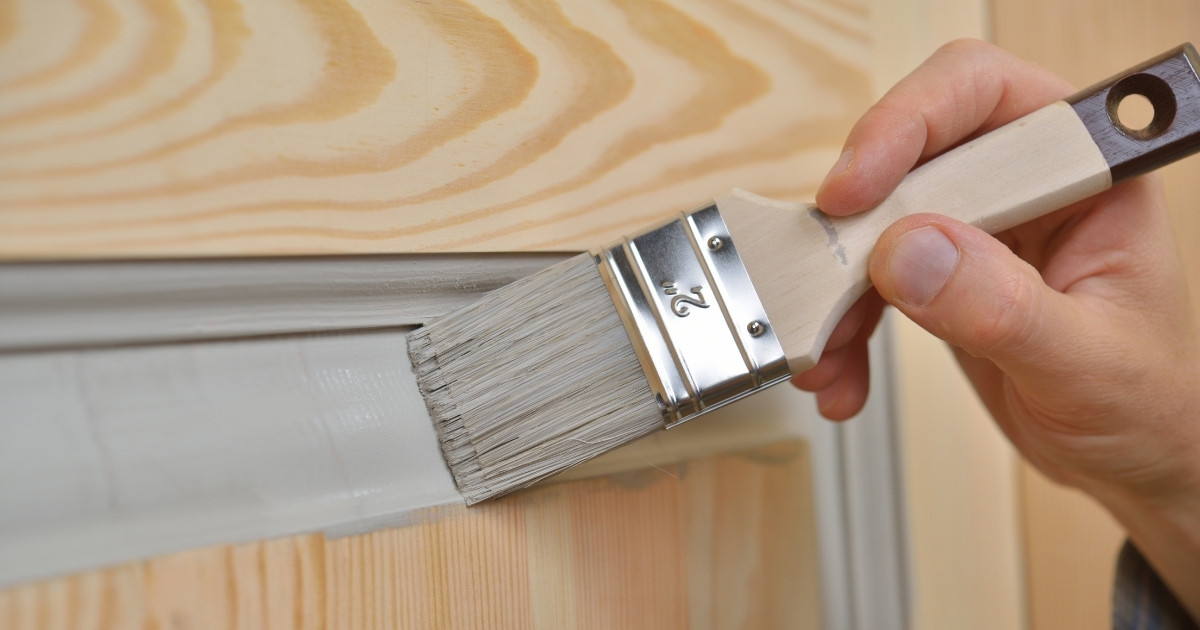
How to Choose the Right Paint for Your Interior Doors
When selecting the best paint for interior doors, consider the following factors:
Door Condition
Higher-sheen finishes reflect more light and will highlight dents, scratches, and wood grain. If your doors are older or imperfect, a semi-gloss finish is often more forgiving than high-gloss.
Ease of Cleaning
Doors in busy households benefit from higher-sheen paints. Semi-gloss and high-gloss finishes resist stains and can handle frequent cleaning without dulling.
Moisture Exposure
For bathrooms, kitchens, and laundry rooms, latex paint is usually the best choice because it flexes with humidity changes common in Florida homes.
Sunlight Exposure
Doors near large windows or entryways may fade faster. Acrylic paints offer better UV resistance and longer-lasting color.
Budget
Latex paints are generally more affordable than acrylics, and semi-gloss finishes cost less than high-gloss. Semi-gloss latex paint offers the best balance of performance and value for most homes.
Frequently Asked Questions
Should you paint your interior doors?
Painting interior doors is a personal design choice. Paint provides a clean, modern look and excellent protection. If you prefer a natural appearance, wood doors can also be stained—typically only possible with solid-core doors. Many hollow-core doors come pre-primed and are designed to be painted.
What is the most scratch-resistant paint for interior doors?
The most scratch-resistant option is high-gloss acrylic paint. Acrylic is tougher than latex, and the glossy finish adds an extra layer of protection against wear.
Do interior doors need to be primed before painting?
Yes. Priming interior doors is essential for a smooth, professional finish. Primer seals the surface, blocks wood grain from bleeding through, and reduces the number of paint coats needed.
Professional Interior Door Painting in South Florida
At Tru Colors Contracting, we provide expert interior painting services tailored to Florida homes and commercial spaces. From proper surface prep to flawless finishes, our team ensures your interior doors look great and hold up against daily use and humidity.
Proudly serving Broward, Palm Beach, Martin, and St. Lucie Counties
Contact Tru colors Contracting today for a free estimate on interior door painting and full interior painting services.
